
 Electrical & LightingSurge Protected Power BoardWhat to look for

Electrical & Lighting
Outdoor Extension Lead
What separates an outdoor extension lead from an indoor one: current rating, conductor size, sheath, end covers and the RCM mark.
See prices on Amazon
Price and availability are shown on Amazon and can change. As an Amazon Associate we earn from qualifying purchases.
Garden and garage jobs often happen well away from a power point, and a lead built for outdoor use has a tougher sheath and better protected ends than the thin cords sold for lamps. Ten metres reaches across most patios without leaving a large tangle.
What to look for
- Current rating: ordinary leads carry up to 10 amps, while a 15 amp lead has a wider earth pin and needs a matching outlet.
- Conductor size: thicker copper loses less voltage, which matters to saws, compressors and other motors.
- Sheath: heavy duty PVC or rubber resists scuffs, and bright colours show up in grass.
- End covers: shrouded plugs and sockets help keep splashes out when the maker states an IP rating.
- Markings: expect an Australian three pin plug, the RCM mark and a clear rating on the moulding.
Who it suits
Home owners running a hedge trimmer, blower or corded mower, renovators, and event stalls. Caravans usually need a dedicated 15 amp lead instead.
Before you buy
- Uncoil the full length each time, because a tightly wound cable can overheat under load.
- Connect through a working RCD, keep joins off wet ground, and retire any lead with cuts, crushed cable or bent pins. Repairs belong to a qualified electrical worker.
- Leads are for temporary use only, so a permanent outdoor power point should be wired by a licensed electrician.
You may also want
All Electrical & LightingElectrical & LightingSurge Protected Power BoardWhat to look for 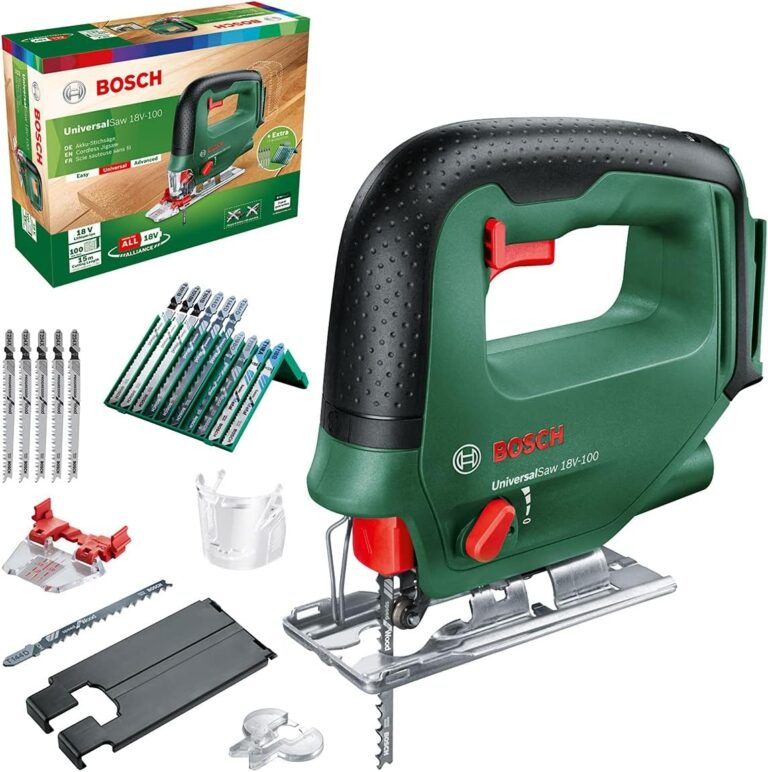 Power ToolsBosch PST 700 E Compact Corded JigsawSee details
 GardenRetractable Hose ReelWhat to look for
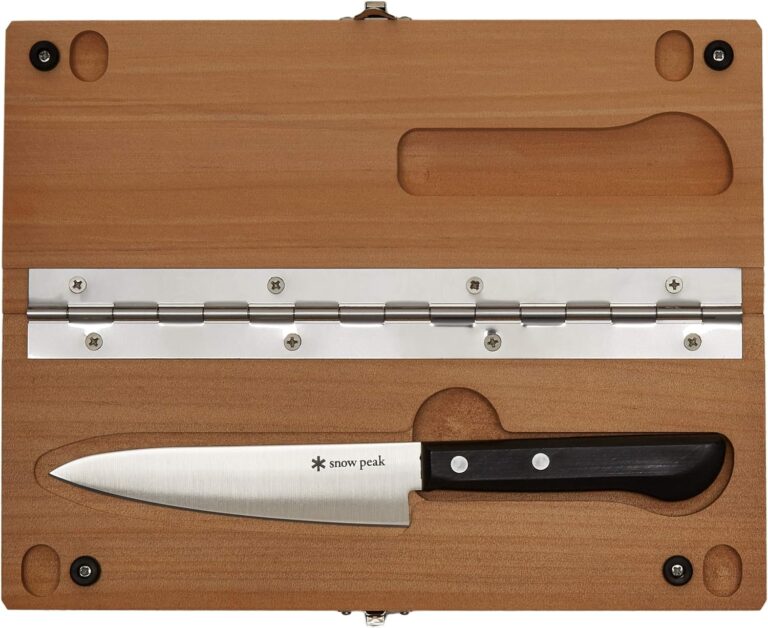 Camp KitchenSnow Peak Foldable Cutting Board & Knife SetSee details