
 StoragePortable Tool BoxWhat to look for

Storage
Garage Shelving Unit
Load ratings, shelf materials, footprint and wall anchoring explained for choosing a heavy duty shelving unit for a garage or shed.
See prices on Amazon
Price and availability are shown on Amazon and can change. As an Amazon Associate we earn from qualifying purchases.
Free standing steel shelves clear boxes, paint and camping gear off the floor. Many garage units slot together without bolts, using rivets and keyhole posts, and assembly needs little more than a rubber mallet and a level.
What to look for
- Shelf rating: the figure assumes weight spread evenly on level ground, so a single heavy item in the middle is harder on the shelf.
- Deck material: particleboard swells if it gets wet, while wire or steel decks cope better with damp.
- Proportions: deep shelves swallow tubs, but a tall narrow frame is easier to tip.
- Adjustment: closely spaced slots let levels move as storage changes.
- Finish: powder coat or galvanising slows rust in coastal sheds.
Who it suits
Households with tubs, tools and sports gear, small workshops and online sellers who keep stock at home. Narrow single garages may do better with wall cupboards or hooks above bonnet height.
Before you buy
- Measure around the car with its doors open, and allow for the meter box, windows and roller door track.
- Anchor the frame to a stud or masonry and put heavy items low, particularly where children might climb.
- Drilling for anchors calls for eye, ear and dust protection, and extra care in older homes: asbestos sheet is possible before 1990 and lead paint before 1997.
You may also want
All StorageStoragePortable Tool BoxWhat to look for  Hand ToolsMetric Socket SetWhat to look for
 GardenExpandable Garden HoseWhat to look for
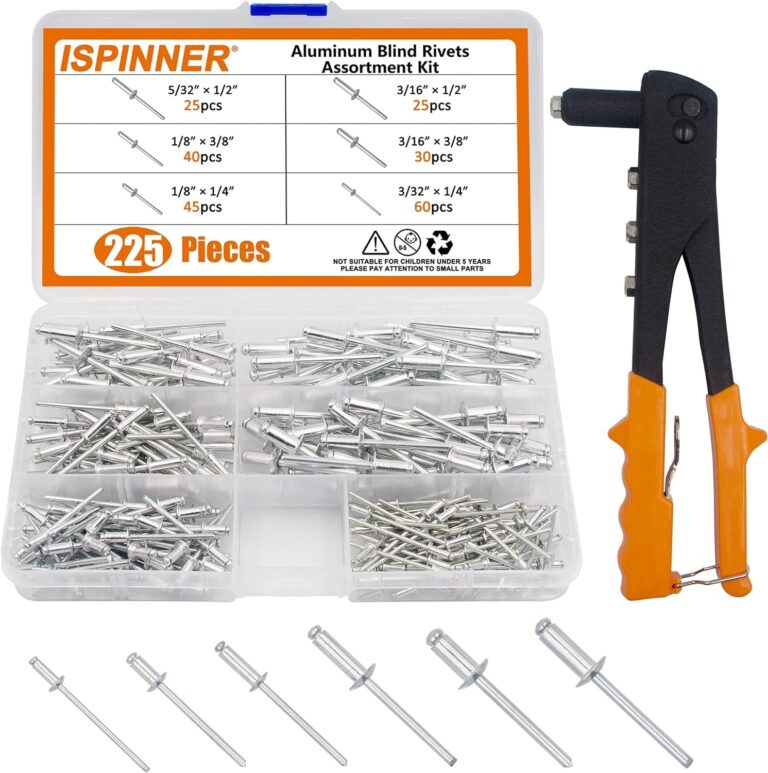 Hand ToolsISPINNER 225 Piece Blind Rivet Kit with Hand RiveterSee details