
 Power ToolsCircular SawWhat to look for

Power Tools
Cordless Drill Driver
Compare chuck size, clutch steps, battery capacity and weight before choosing a cordless drill driver kit for flat packs, shelving or home repairs.
See prices on Amazon
Price and availability are shown on Amazon and can change. As an Amazon Associate we earn from qualifying purchases.
A drill driver does two jobs. It spins bits to bore holes in timber, plastic and metal, and it drives screws with a clutch that slips before the head is buried. Kits usually add one or two batteries and a charger, while skin versions are the bare tool for people already on that battery platform.
What to look for
- Chuck: 10 mm suits light work, and 13 mm takes larger bits and hole saws.
- Clutch range: more steps give finer control with small screws in soft timber.
- Two speeds: low gear for driving, high gear for drilling.
- Motor: brushless designs generally run longer per charge and wear less.
- Battery: a higher amp hour figure means longer running but extra weight.
Who it suits
Owners assembling furniture, renters with permission to hang a shelf and anyone wanting a first power tool. Brick and concrete call for a hammer function, so a plain drill driver is the wrong pick for regular masonry holes.
Before you buy
- Confirm what the box holds; a skin listing has neither battery nor charger, and any charger needs an Australian plug and the RCM mark.
- Allow for eye, ear and dust protection along with a few bits.
- Older walls deserve caution: a home from before 1990 could contain asbestos and one from before 1997 could carry lead paint, so have suspect surfaces checked ahead of drilling.
You may also want
All Power ToolsPower ToolsCircular SawWhat to look for  Power ToolsCordless Impact DriverWhat to look for
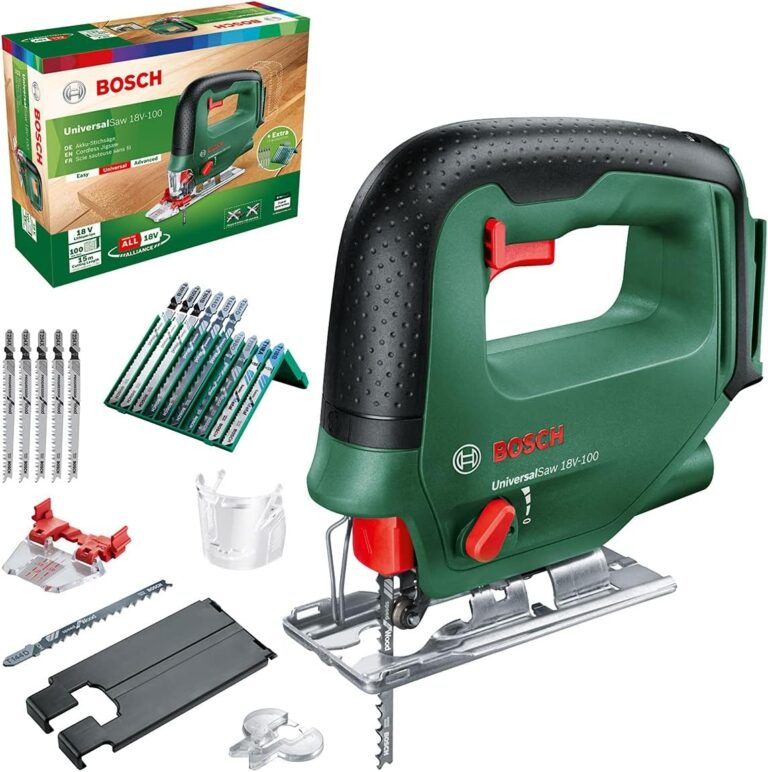 Power ToolsBosch PST 700 E Compact Corded JigsawSee details
 StoragePortable Tool BoxWhat to look for