
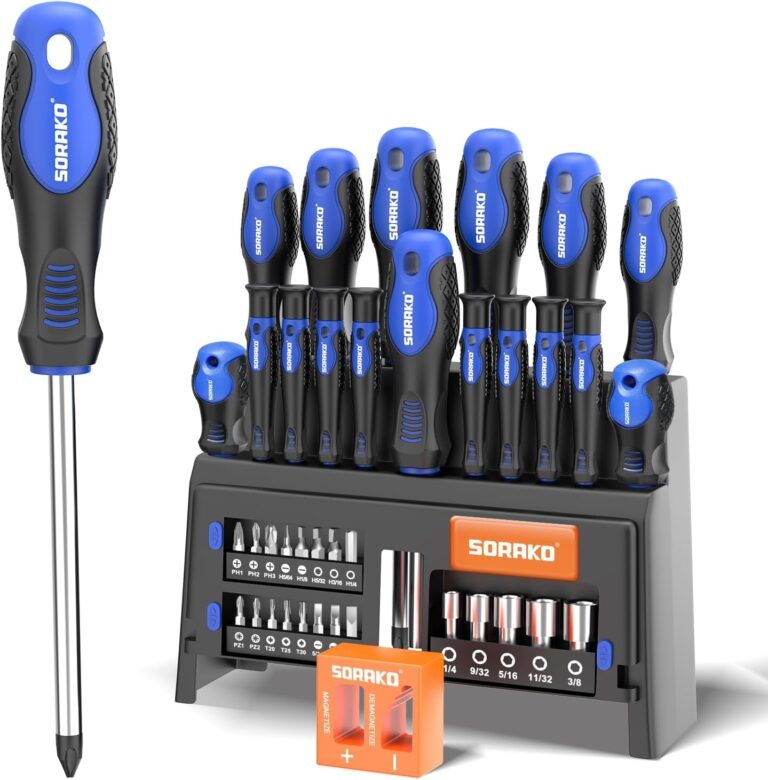
 See similarHand ToolsSORAKO 40 Piece Magnetic Screwdriver and Bit SetSee details

Hand Tools
Claw Hammer, Fibreglass Handle
Head weight, claw shape, face finish and grip compared, with tips on choosing a fibreglass handled claw hammer for framing, trim or repairs.
See prices on Amazon
Price and availability are shown on Amazon and can change. As an Amazon Associate we earn from qualifying purchases.
Driving a nail and pulling a bent one are two halves of the same job, which is why the claw hammer has stayed in toolboxes for so long. Fibreglass handles sit between timber and steel: tougher against missed blows than wood, and generally gentler on the arm than a solid steel shaft.
What to look for
- Weight: around 450 g for trim and general tasks, heavier for framing.
- Claw: curved for nail pulling, straighter for prying.
- Face: smooth leaves less marking, while a milled pattern grips nail heads but scars timber.
- Grip: textured rubber that stays put in sweaty hands.
- Head joint: no gap or wobble where metal meets handle.
Who it suits
First home owners, carpenters and hobby builders. Upholsterers and picture framers will want something lighter, and masonry work calls for a club hammer.
Before you buy
- Try a similar weight at a friend's bench or in a shop, since an overly heavy head tires the arm and wanders off target.
- Eye protection is wise, as nails and chips can fly.
- Strike common nails only. Hitting hardened masonry nails, cold chisels or another hammer face can chip the steel, and a hammer with a cracked or loose handle should be retired.
You may also want
All Hand ToolsSee similarHand ToolsSORAKO 40 Piece Magnetic Screwdriver and Bit SetSee details  Hand ToolsMetric Socket SetWhat to look for
 Hand ToolsAdjustable Spanner SetWhat to look for
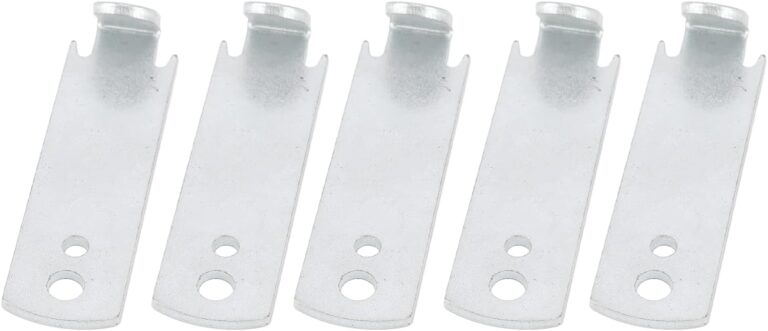 Hand ToolsFence Wire Twist Tool, Steel, Pack of 5See details